Best Ways to Clean a Clogged Shower Head for Better Water Pressure
 1 Apr 2026
 Share
Share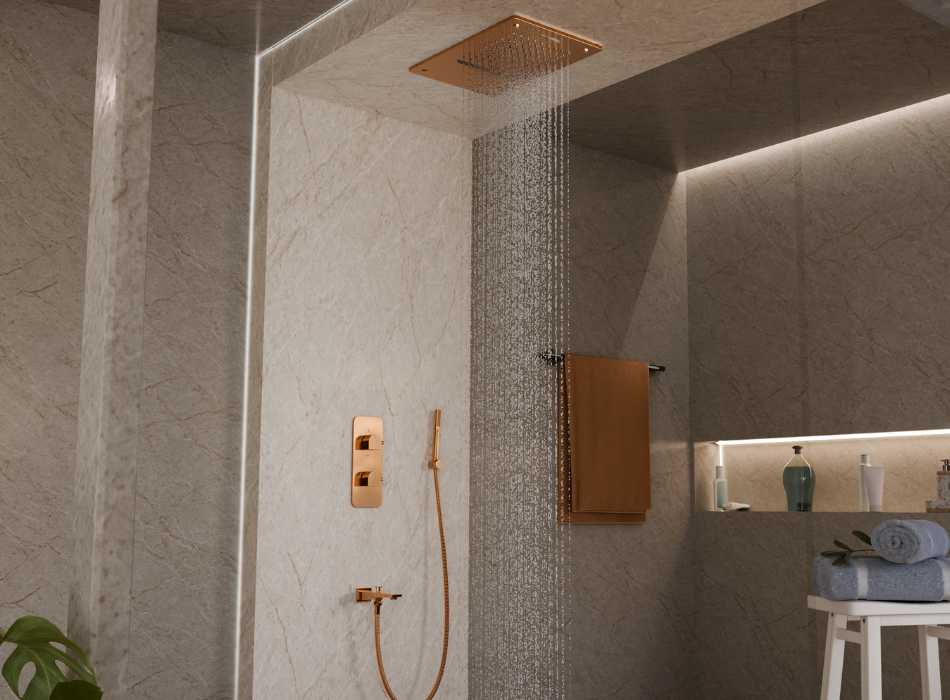
A refreshing shower is one of life’s simple pleasures. However, over time, mineral deposits and limescale clogging your shower head and reducing the water pressure can make your daily shower routine less enjoyable.
Hard water, soap residue, and regular use, all contribute to buildup that not only looks unsightly but also affects performance. The good news is that with a few simple steps, you can restore your shower to its full power without spending on costly replacements.
Why Cleaning Your Shower Head Matters?
When your shower starts to feel weak or uneven, clogged nozzles are often the reason. Minerals such as calcium and magnesium present in hard water accumulate inside the fixture over time. This buildup restricts water flow, leaving you with a trickle instead of a strong spray. However, regular maintenance can help you with better water pressure, extended lifespan of your fixture, and improved bathroom hygiene.
Learning the best way to clean shower head is essential for every homeowner. Here are some steps to help you get started:
Step 1: Gather Your Supplies
Before you begin, make sure you have all the necessary items. The process is simple and mostly requires household items:
- Distilled white vinegar
- A container large enough to hold the shower head
- A toothbrush or soft-bristled brush
- A soft cloth or towel
- Optional: plumber’s tape and an adjustable wrench
These tools will help you clean effectively without damaging the finish.
Step 2: Remove the Shower Head
Detaching the fixture makes cleaning easier. Use your hands to loosen the nut connecting the head to the shower arm. If it’s too tight, wrap the nut with a cloth to protect the finish and use an adjustable wrench. Place a towel in the tub or shower area to prevent scratches or losing small parts. Inside the nut, you’ll find a rubber gasket and debris screen. Remove them carefully and rinse away any visible sediment.
Step 3: Clean the Nozzles
Many modern shower accessories come with flexible nozzles designed for easy cleaning. Simply rub your finger across the spray holes to loosen mineral deposits.
For traditional models, use a toothbrush dipped in vinegar to scrub gently the nozzle. This step alone can significantly improve water flow even before soaking.
Step 4: Soak in Vinegar Solution
Fill a container with equal parts white vinegar and warm water. Submerge the shower head completely and let it soak for at least 30 minutes.
Vinegar’s mild acidity helps dissolves mineral deposits without harming the finish. After soaking, scrub the surface again with a toothbrush or cloth to remove any remaining residue. Rinse thoroughly with water and dry with a soft cloth.
Step 5: Reinstall the Shower Head
Once fully cleaned and dried, reattach the shower head to the shower arm. Hand-tighten the nut clockwise until secure. If you want extra protection against leaks, apply plumber’s tape to the threads before reinstalling. Turn on the water to check for leaks and spray pattern.
How to Prevent Future Buildup?
While cleaning restores performance, preventive care reduces frequent maintenance. After each shower, wipe the fixture with a soft, dry cloth to remove water droplets. This helps reduce mineral deposits and water spots. Regular cleaning with mild soap and water also helps get rid of the limescale before it hardens and blocks the nozzles. If you live in a hard-water area, consider upgrading to a water softener or filtered shower systems that can significantly help in reducing scaling.
Dealing with Limescale
Limescale appears as a chalky white deposit that clings stubbornly to fixtures. Knowing how to clean limescale from shower head is crucial for maintaining water pressure. For this, vinegar works as an effective solution, but for tougher deposits, its best to use a specialized descaling solution.
Regardless of the method, just make sure to get rid of limescale shower head buildup before it becomes severe enough to block water completely.
Benefits of Regular Cleaning:
- Improved water pressure: A clean fixture delivers a strong, consistent spray.
- Extended lifespan: Preventing buildup reduces wear and tear.
- Better hygiene: Removing deposits keeps bacteria and mold from thriving.
- Enhanced appearance: A sparkling fixture adds to your bathroom’s overall look.
When to Replace Instead of Clean
Sometimes, despite your best efforts, the shower head may be too damaged or corroded to restore. If leaks persist or the spray remains weak even after cleaning, investing in a new fixture may be the better option.
In that case, opt for modern bathroom shower panels designed with advanced features offering multiple spray options, built-in filters, and finishes that resist buildup. Upgrading to the best bathroom panels can help reduce regular maintenance while giving a luxurious touch to your space.
Conclusion
Keeping your shower head clean is one of the simplest ways to maintain strong water pressure and an enjoyable bathing experience. Regular maintenance helps prevent limescale buildup, improves hygiene, and extends the life of your fixture.
For those seeking stylish and durable options, Hindware shower heads are a great choice, combining modern design with reliable performance.