How to Clean and Maintain Bathroom Floor Drains
 12 Feb 2026
 Share
Share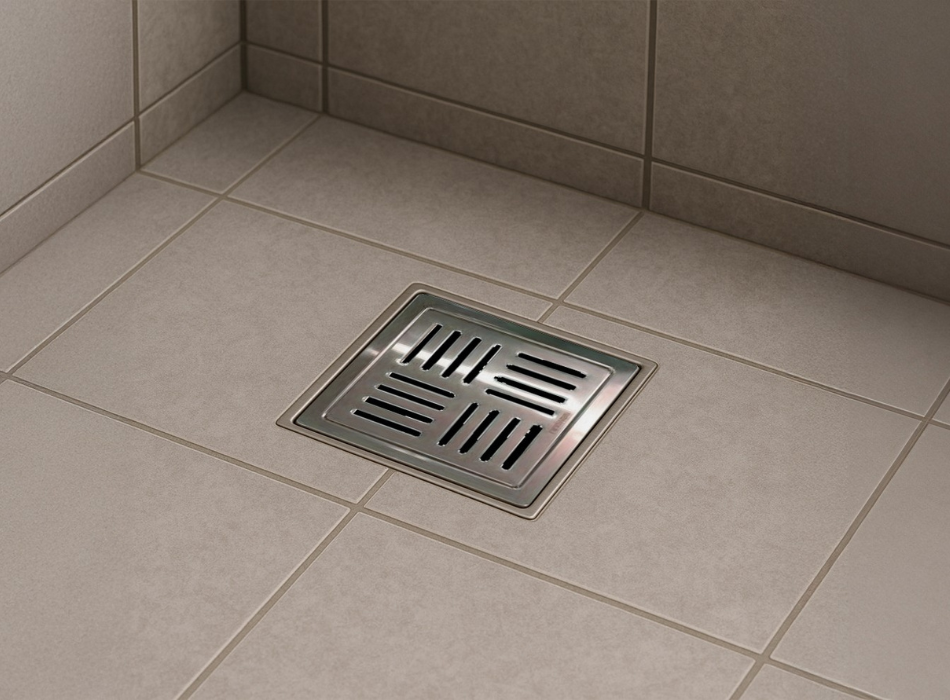
Most homeowners don’t pay much attention to the floor drains of their bathroom. These are small yet important parts of the plumbing system that handle the flow of water and sewage. Floor drains, as the name suggests, capture water from the bathroom floor and direct it safely to the main sewage drain. By allowing water, dirt, debris, etc. to easily pass through, they keep the bathroom clean, dry and free of any kind of unpleasant smells. The only time they come to someone’s notice is when there is a clogging. Sometimes, dirt, soap scum, hair, and other debris accumulate in bathroom floor drains, leading to slow drainage and a foul smell. Cleaning floor drains on a regular basis is one of the most effective ways to avoid these issues.
Here are a few signs that indicate the need for a floor drain cleanout:
- Water drains at a slower speed than usual or starts pooling on the bathroom floor.
- A foul or musty smell starts coming from the drain.
- Visible grime present on or around the drain cover.
How to Clean Bathroom Floor Drain
Before you start cleaning the drain, it is important to gather all the essential supplies. For this, you’ll need a pair of rubber gloves, a screwdriver, a small cleaning brush, cleaning solution, a drain snake, and a plunger.
- Once you have everything in one place, put on the gloves carefully and start by removing the drain cover. Few drains come with a cover that needs to be unscrewed, while a few others can be simply lifted with the help of a pointed object.
- Keep the drain cover aside and splash some water on the surface around the drain. This will get rid of dirt or any other visible grime.
- Now you can use the drain snake to pull out hair and any other debris from the drain. If you still feel there is something clogging the drain, use the plunger to get rid of it.
- Dip the cleaning brush in the cleaning solution and scrub the drain walls. Currently, there are several cleaning solutions available in the market that can unclog drains without causing any damage to the pipes. You can choose any of them, or you can also use a mild solution of warm water and soap.
- Once you’re done scrubbing the surfaces, pour half a cup of baking soda into the drain, followed by one cup of vinegar, as this combination is a good natural cleaner. Let it fizz for 15–20 minutes and pour a good amount of hot water into the drain. This will wash away all the residues.
- Now scrub the drain cover gently using the brush and cleaning solution, wash it with hot water and secure it back in place.
Tips to Maintain Floor Drains
- Use a drain cover or strainer to catch hair and other debris before it enters the floor drain.
- Every floor drain has a P-trap or U-trap pipe that is used to hold water and prevent sewer gases. If these traps dry out, it may lead to a foul smell in the bathroom. To keep these traps filled, you should pour 2-3 buckets of water into each floor drain every few days.
- It is important to inspect your drains thoroughly every few weeks. If you notice any issues, get them fixed without any delay.
- If you notice slow drainage in your bathroom, check for any obstruction immediately and clear it as soon as possible.
- Sometimes, it is not possible to get rid of all the grime present in your drain with basic cleaning. Get your floor drains cleaned professionally every few months. However, make sure that a mild cleaning solution is being used that doesn’t cause any harm to the drainage pipes.
Who doesn’t want a bathroom that is clean, dry and smells fresh at all times! While cleaning of bathroom sanitaryware and surfaces like walls, countertops, etc., is important to ensure this, it is not always enough. Regular cleaning and maintenance of floor drains is also required to maintain the overall hygiene of the bathroom. This not only keeps it free from odours but also offers protection from any kind of water damage. By following these simple tips, you can clean and maintain your bathroom’s floor drain and ensure that it works efficiently for years.