Flush Valve for Toilet: Types, Installation, and Replacement
 1 Apr 2026
 Share
Share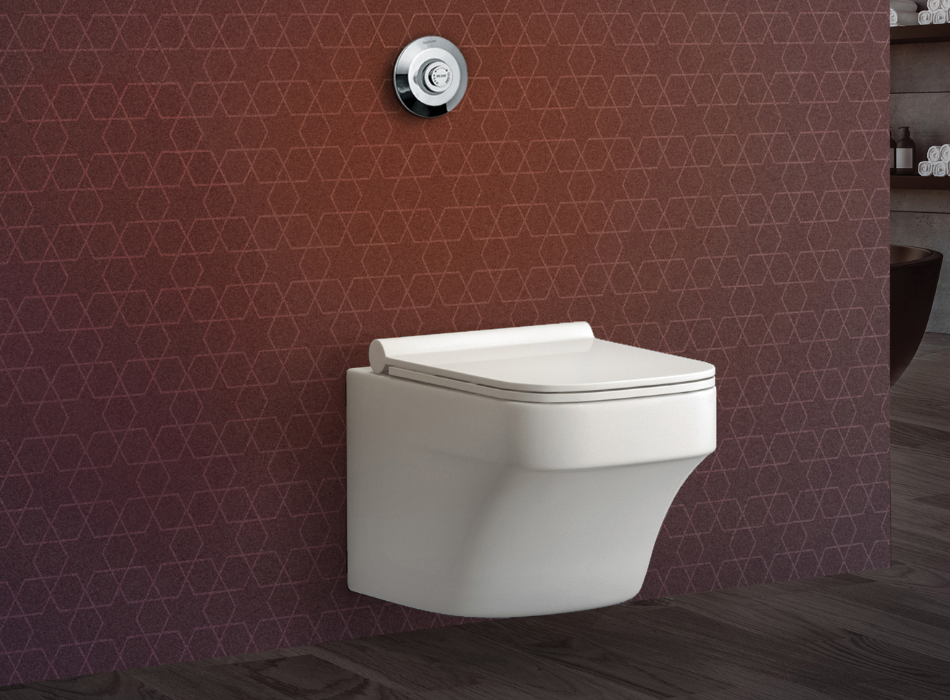
The flush valve for toilet systems is one of those underrated parts that directly affects how well your bathroom functions day to day. Whether you’re renovating an existing bathroom or building a new one, understanding what goes into a good flush valve can save you time, money, and a fair share of unnecessary plumbing issues. Here’s everything you need to know about flush valves for toilets.
What Are Toilet Flush Valves?
A flush valve for toilet tanks is the mechanism that releases stored water from the cistern into the bowl whenever you press the flush button or lever. It regulates how much water is discharged, and how quickly it flows to effectively clear the bowl. The right flush valve for toilet setups ensures a clean, complete flush every single time without wasting water or creating pressure issues.
From simple push-button setups to motion-sensor operated systems, you’ll find different types of flush valves across residential and commercial bathrooms. Many brands today are now focusing on engineering flush valves that work well for both Indian and Western toilet styles without overcomplicating the design.
Common Types of Flush Valves
Understanding the different flush valves helps you make an informed decision, especially when replacing toilet flush valve parts in older bathrooms.
1. Dual-Flush Valve
This is one of the most practical flush valves when it comes to reducing water consumption. It gives you two options a lighter flush for liquid waste and a stronger one for solid waste. Most dual-flush systems are operated through a split push-button or a two-position lever. If you’re replacing toilet flush valve components in a modern bathroom, a dual flush valve is worth consideration for its water-saving benefits.
2. Tower Flush Valve
This cylindrical-style valve is connected to the flush handle via a chain. When you pull the handle, the tower lifts and the water flows directly into the bowl. A tower flush valve is known for delivering a faster, more forceful flush, which makes it a good fit when replacing toilet flush valve components in toilets with persistent flow issues.
3. Canister Flush Valve
Similar in concept to the tower valve, the canister flush valve lifts to release water but features a wider opening - typically three to four inches in diameter. The larger opening allows water to exit the tank quickly and evenly. It is commonly used in higher-performance residential toilets that require strong water flushes to avoid issues like bowl-swirling or partial flushing.
4. Flushometer Valve
Unlike tank-based systems, flushometer relieson direct water pressure from the supply line rather than stored tank water. It is commonly installed in standard in commercial restrooms and high-traffic public spaces. It’s durable, fast, and designed for heavy use.
5. Concealed Flush Valve
Installed behind the wall, a concealed flush valve is activated via wall-mounted flush plate or motion sensor. This design is increasingly popular in modern, minimalist bathroom designs where visible plumbing is kept to a minimum. Besides, its touch-free operation also makes it a hygienic choice for public or shared spaces.
How to Choose the Right Flush Valve for Your Home
Picking the right flush valve for toilet systems involve some practical considerations rather than guesswork.
- Bathroom Style and Space
If you prefer sleek, minimal appearance, concealed systems work well, especially in smaller spaces because they tuck the mechanism inside the wall. When you’re installing a flush valve in a modern bathroom, a wall mounted plate gives you a sleek finish without exposed hardware.
- Water-Saving Needs
A dual flush valve is an ideal solution if you are aiming to reduce water consumption. By offering two discharge options - lighter for liquid waste and stronger for solids, they help minimise water usage with every flush. This is especially useful in areas with irregular water supply or higher utility bills.
- Pressure and Plumbing Setup
Before installing a flush valve, check your building’s water pressure and existing plumbing condition. High-pressure systems pair well with valves optimised for rapid flow. Older plumbing with inconsistent pressure needs something that offers better flow control.
- Design Preference
Flush valves come in square, rectangular, and rounded plate options with finishes like chrome, rose gold, and black. When installing toilet fill valve parts alongside other bathroom accessories, matching finishes keeps everything looking cohesive.
- Ease of Use
For homes with elderly residents or high daily usage, soft-touch or remote-operated valves reduce the effort needed per flush. When installing toilet fill valve systems for accessibility, these options offer consistent performance with minimal physical demand. Installing a flush valve of this type also involves slightly more advanced internal components, so professional fitting is recommended.
Choosing the right flush valve for toilet systems isn’t just a technical decision; it affects your water bill, your maintenance schedule, and the overall experience of using your bathroom.
At Hindware, we offer a range of flush valves designed for specific user preferences and design aesthetics. So, whether you’re building new or replacing toilet flush valve parts in an existing setup, we have something for every space.