Different Types of Toilet Cisterns and Their Uses
 1 Apr 2026
 Share
Share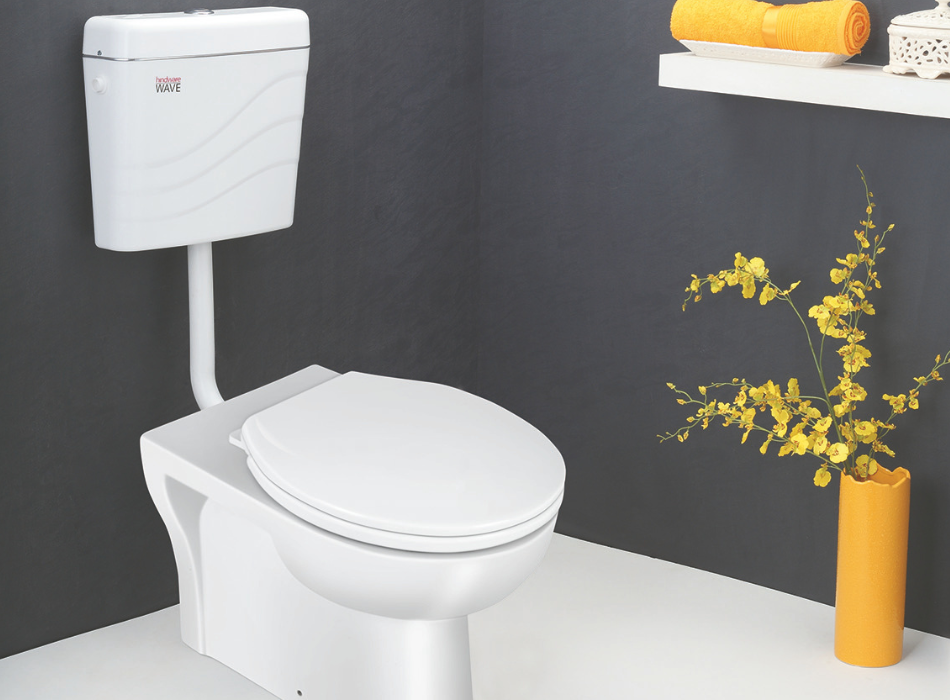
When planning a bathroom or toilet, most people focus on tiles, fittings, and fixtures, but the cistern quietly does some of the most important work. Choosing the right bathroom cistern affects everything from how much water you use daily to how easy your bathroom is to maintain over time. Understanding the basics helps you make a better decision rather than just going with whatever’s available.
What is a Toilet Cistern?
A toilet cistern is a water storage tank attached to your toilet that holds and releases a controlled volume of water each time you flush. The mechanics are simple: water fills the tank, gets released on demand, clears the bowl, and the cycle begins again. While the core principle hasn’t changed much over the decades, modern cisterns now include better water-saving features, quieter fill mechanisms, and more design flexibility than older models.
How Does a Cistern Work?
The toilet flush cistern operates through a simple but well-coordinated set of components. When you flush, a valve at the base of the tank opens and releases water down into the bowl through the flush pipe. Once the tank empties, the inlet valve opens and water begins refilling. Inside the tank, a float either a ball or cup design rises with the water level. Once it reaches the set level, it signals the inlet valve to shut off the supply.
There’s also an overflow pipe built into most toilet flush cistern designs as a safety measure. If the inlet valve ever fails to shut off, excess water drains into the bowl rather than spilling onto the floor. It’s a simple failsafe that’s proven reliable across decades of use in homes and commercial spaces alike.
Types of Cisterns
Knowing the type of cistern that suits your bathroom is one of the first decisions to make. Listed below are the most common options.
1. Wall-Hung Toilet Cistern
A wall hung toilet cistern is paired with a wall-mounted toilet bowl and fixed directly to the wall. Since neither the cistern nor the toilet touches the floor, the bathroom feels more open and easier to clean. A wall hung toilet cistern suits compact bathrooms and complements modern interiors particularly well. However, its installation does require adequate wall support and plumbing routed through the wall.
2. Concealed Cistern
A concealed cistern sits inside the wall cavity or behind a panel, with only the flush plate visible on the surface. It keeps the bathroom looking neat and uncluttered, which makes it a popular choice for minimalist designs. While it enhances aesthetics, accessing internal components for repairs may require removing the flush plate or panel, which can make maintenance more involved than servicing an exposed unit.
3. Close-Coupled Cistern
This is the most commonly found type of cistern in Indian homes. The tank sits directly on top of the toilet bowl, making it compact, easy to install, and simple to service. It’s practical, widely available, and works well across most standard bathroom layouts.
4. High-Level Cistern
Mounted high on the wall with a long flush pipe running down to the bowl, this type of cistern is flushed using a pull chain or lever. It’s largely associated with older or heritage-style bathrooms and is not commonly installed in new builds.
5. Low-Level Cistern
Positioned just above the toilet bowl with a shorter connecting pipe, this type of cistern offers a slightly vintage aesthetic while being easier to reach and maintain than a high-level version.
6. Dual-Flush Cistern
One of the most practical bathroom accessories you can invest in today, the dual-flush cistern gives you two options - a reduced flush for liquid waste and a full flush for solid waste. This directly cuts down on daily water consumption without compromising flushing performance.
How to Choose the Right Cistern?
- Bathroom Size
Smaller bathrooms benefit from a wall hung toilet cistern or concealed setup to free up visual and physical space. Larger bathrooms have more flexibility and can accommodate close-coupled or even high-level designs.
- Water Efficiency
If managing water usage matters to you, a dual-flush toilet flush cistern is the most sensible choice. The difference in water used per flush adds up significantly over time.
- Material Quality
Cisterns are available in different materials. A ceramic cistern offers a premium finish and durability that works well in high-end bathroom setups. A PVC cistern is lighter, more affordable, and still reliable for standard residential use. Your choice here often comes down to budget and the overall finish you’re going for.
- Maintenance Access
Exposed cistern types are easier to service. If your household sees heavy daily use or if you prefer straightforward maintenance, an accessible design makes practical sense. Concealed options look better but require a bit more effort when repairs are needed.
- Budget
The bathroom cistern you choose should align with how much you’re willing to invest. Concealed and wall-mounted systems cost more upfront but offer long-term aesthetic and space benefits. Exposed options keep costs lower while remaining perfectly functional.
Getting the right toilet flush cistern in place means fewer maintenance issues, better water efficiency, and a bathroom that simply works well every day.
At Hindware, you can explore a wide range of thoughtfully designed bathroom cisterns, combining durability, water efficiency and modern aesthetics.