Water-Saving Urinals: Cost, Benefits, and Installation Guide
 12 Feb 2026
 Share
Share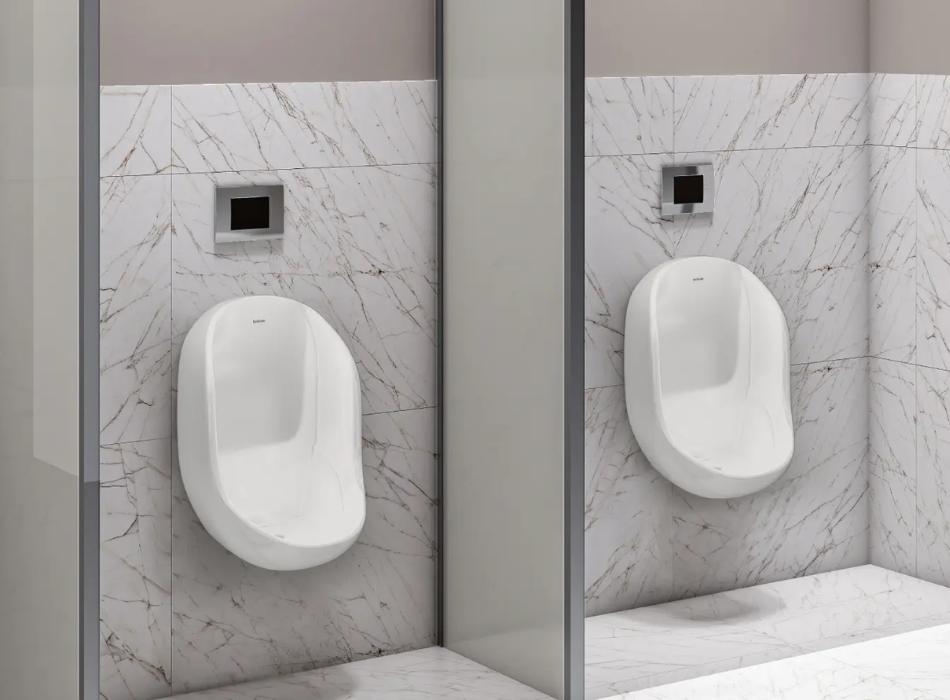
As water scarcity becomes an increasingly critical issue across urban infrastructure and high-use facilities, attention is shifting to how everyday infrastructure can be made more efficient. In this context, washrooms, both public and private, contribute significantly to water consumption, particularly due to traditional urinal systems that rely on frequent flushing. To address this challenge, water-saving urinals have emerged as a practical alternative to traditional urinal systems that are designed to reduce or completely eliminate the need for frequent flushing. The credit goes to their intelligent design and advanced surface technology that keeps the odour and germs away.
These modern features in urinals are widely accepted in commercial spaces and public facilities where water efficiency and hygiene cannot be compromised. By minimising water usage, these water-saving urinals help reduce long-term operational costs while supporting sustainable building practices.
What is the Cost of Installing Water-Saving Urinals?
Compared to conventional urinal systems, the cost of water-saving urinal systems may involve a slightly higher upfront cost, depending on the model you choose to install. However, this initial cost is quickly balanced by how efficiently the system works and gives long-term benefits. Traditional urinal systems waste several gallons of water due to frequent flushing, resulting in high monthly water usage in washrooms where footfall is high. Therefore, water-saving urinals are best in such spaces that significantly reduce or eliminate wastage of water, leading to noticeable reductions in water bills over time.
Maintenance costs of having water-saving urinal systems in toilets are also at the lower end, as these systems have fewer mechanical components, such as flush valves or sensors, that require regular upkeep. When assessed over their full lifecycle, water-saving urinals offer greater benefits, making them a practical choice for facilities focused on reducing operational costs.
What are the Benefits of Installing Water-Saving Urinals?
Substantial Reduction in Water Wastage
Compared to conventional urinal systems, water-saving urinals minimise or eliminate the need for frequent flushing, resulting in a significant drop in wastage of water. In high-traffic washrooms, this reduction can translate into thousands of litres saved annually per unit, directly supporting the mass issue of water conservation.
Lower Long-Term Operating and Maintenance Costs
By reducing dependency on water to flush away the waste, these systems help cut recurring utility costs. In addition, the absence of conventional flushing mechanisms means fewer components that can fail or require frequent maintenance, leading to reduced downtime and lower maintenance costs over the product’s lifecycle.
Improved Hygiene and Odour Control
Modern water-saving urinals for toilets, like those by Hindware, come with anti-bacterial and germ-free surfaces, which keep the odour at bay and prevent bacterial buildup. This ensures a cleaner, fresher washroom environment that does not need water to stop unpleasant smells, even in high-traffic washrooms.
Ease of Cleaning and Upkeep
Smooth and non-porous surfaces of water-saving urinals restrict the build-up of stains and residue. This, in turn, makes routine cleaning effortless and more effective, and reduces the need for harsh cleaning agents and frequent cleaning cycles.
How to Install Water-Saving Urinals in Washrooms?
Although the installation process of these bathroom urinals is straightforward, attention to layout, plumbing compatibility and maintenance access ensures long-term performance and hygiene. The best practices of installing one include the following:
Assessment of Existing Plumbing
For retrofit projects, like installing a modern fixture, the first step is to assess the existing plumbing setup. Water-saving urinal systems typically need a waste outlet connection. In many cases, existing plumbing can be adapted with minimal structural changes, making upgrades an easy affair.
Choosing the Right Mounting Type
Water-saving urinal systems can be fixed to a wall or mounted on the floor. Wall-mounted urinals suit best in compact spaces as they free up floor space and simplify cleaning. The other option is chosen for high-traffic areas where stability and ease of access are priorities.
Ensuring Proper Drainage and Alignment
Correct alignment of the drainage outlet is an unmistakable step that is critical for smooth operation and odour control. Installers must ensure the trap or seal system is positioned accurately to prevent blockages and keep the washroom’s environment odour-free.
Ventilation and Washroom Environment
Proper ventilation and washroom environment are crucial in maintaining freshness, especially in urinals, where water conservation is a key feature. Adequate airflow helps support odour-control mechanisms and enhances overall washroom hygiene.
Maintenance Access and Cleaning Protocols
Although water-saving urinals require less upkeep compared to traditional urinal systems, access for periodic inspection and cleaning should be planned right at the time of installation. Using compatible cleaning agents and adhering to recommended servicing intervals extends the product’s lifecycle and maintains its performance over time.
As water-saving urinals gain wider adoption, choosing solutions supported by thoughtful design and proven sanitaryware expertise becomes paramount. Hindware, with a well-established range of premium sanitaryware products, has contributed to making water-efficient and hygienic washroom solutions more reliable and accessible. When paired with proper installation and maintenance, water-saving urinals deliver long-term usage while supporting responsible water consumption.