Step-by-Step Guide to Cleaning a Glass Stove Top Like a Pro
 24 Aug 2026
 Share
Share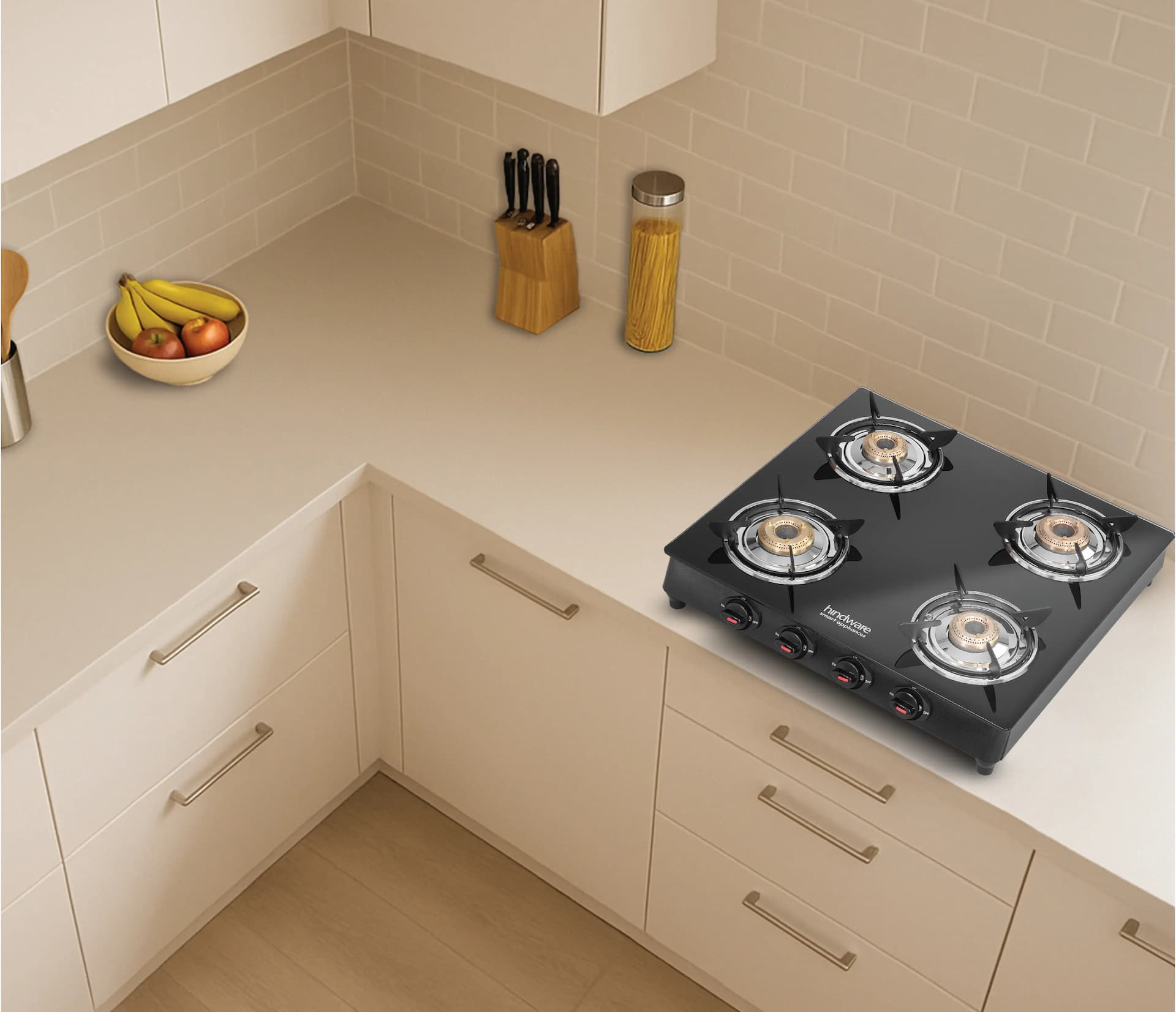
Glass cooktops have become a regular choice in modern kitchens because they look sleek, sit neatly on the counter, and add a premium finish to the cooking area. The only catch is that the same smooth glass surface also makes every mark easy to notice. Water spots, oil drops, milk boil-overs, curry splashes, and tadka stains can all show up clearly, especially in Indian kitchens where daily cooking is rarely spill-free.
The problem usually starts when cleaning is delayed. Fresh stains settle, grease hardens, and then the cooktop is scrubbed harder than it should be. That is when scratches, dull patches, and stubborn marks become more difficult to manage. The best way to clean glass cooktop surfaces is to follow the right order: cool, clear, soften, wipe, and dry.
Step-by-step guide to cleaning glass stove top surfaces
Let the Stove Cool Down
Before you begin, make sure the cooktop is safe to touch. Daily cleaning should never be done when the surface is hot, as it can cause burns and make cleaning liquids dry too quickly. This often leaves streaks or residue behind. For regular spills, wait until the cooking stove has cooled down completely. If there is burnt food stuck to the glass, check the manufacturer’s care instructions before using any scraper or cleaning tool.
Remove Loose Food and Dry Spills
Do not start cleaning the glass stove top directly if there are crumbs, spice particles, salt crystals, or burnt food bits on the surface. These small particles may look harmless, but they can leave fine scratches when dragged across the glass. For built-in hobs or glass gas stoves, remove the pan supports carefully so the entire surface is accessible. Then use a soft dry cloth, kitchen tissue, or microfibre cloth to clear loose particles. This small step makes the rest of the stove glass cleaning easier and safer for the glass.
Clean Fresh Grease and Daily Cooking Marks
Fresh grease is always easier to clean than dried grease. Once the cooking stove is cool, mix a small amount of mild dishwashing liquid with warm water. Dip a soft sponge or microfibre cloth in the solution and gently wipe the glass surface. Focus on areas where oil, gravy, or food splashes are visible. Instead of rubbing aggressively, use small circular motions. This helps lift the grease without putting too much pressure on the glass. Once the marks are removed, wipe the surface again with a damp cloth to clear soap residue. Finish with a dry microfibre cloth, so water spots do not settle back on the glass.
Tackle Burnt Stains without Scratching the Glass
Burnt milk, dried curry, sugar spills, and old oil stains need more patience. The idea is to soften the stain first, not attack it with force. Place a warm, damp cloth over the affected area and leave it for a few minutes. This helps loosen the residue and makes it easier to clean. For tougher stains, use a non-abrasive cleaner made for glass cooktops. Apply it as directed, let it sit briefly, and then wipe it away with a soft cloth. Avoid knives, forks, metal spatulas, steel wool, or rough scrub pads while cleaning stove glass. These can scratch the surface and may leave permanent marks. If a scraper is needed, use only a cooktop-safe scraper and hold it at a low angle. Work slowly so the stain lifts without damaging the finish.
Clean Burners, Knobs, Pan Supports, and Drip Trays Separately
A glass cooktop does not stay clean for long if the smaller parts around it are greasy. Burners, knobs, pan supports, and drip trays collect oil splashes and food residue during daily cooking. If these parts are left dirty, the grease can transfer back to the glass surface. Remove detachable parts only as per the product instructions. Clean them separately with a mild cleaner and a soft sponge. Heavy pan supports should be lifted carefully and not dragged across the glass. Once washed, dry every part properly before placing it back. Moisture left behind can create marks and may also affect the cooking area.
Wipe the Glass for a Streak-Free Finish
After the stains and grease are removed, give the cooktop one final wipe. Use a clean, dry, microfibre cloth and move gently across the surface. This helps remove any leftover streaks, soap traces, or water marks. This final drying step may look small, but it makes a visible difference. Glass stovetops look cleaner when there is no moisture film left behind.
Why Cooktop Quality Also Makes Cleaning Easier
The cleaning routine matters, but the quality and design of the cooking stove matter too. A smooth, durable glass surface is easier to wipe after everyday cooking. Sturdy pan supports keep cookware stable, which can reduce unnecessary spills. Well-designed drip trays also help contain minor overflows before they spread across the glass.
Hindware Appliances offers glass cooktops and built-in hobs designed for modern Indian kitchens, where cooking often involves heat, oil, spices, and regular cleaning. Many models come with toughened glass surfaces, brass burners, stable pan supports, elegant knobs, and practical drip trays. Together, these features support both cooking performance and day-to-day maintenance.
Final Words
Cleaning glass stovetops like a pro is not about applying stronger chemicals or scrubbing harder. It is about cleaning in the right sequence and using the right tools. Clear loose particles first, treat grease gently, soften burnt stains, and dry the surface properly.
For anyone planning to upgrade their kitchen, Hindware Kitchen Appliances offers toughened glass cooktops and built-in hobs that bring together style, durability, and practical cleaning support. Explore the range and choose a cooktop that fits your cooking style and kitchen layout.