Difference Between Ceramic and Porcelain Tiles for Bathroom and Kitchen
 16 Jul 2026
 Share
Share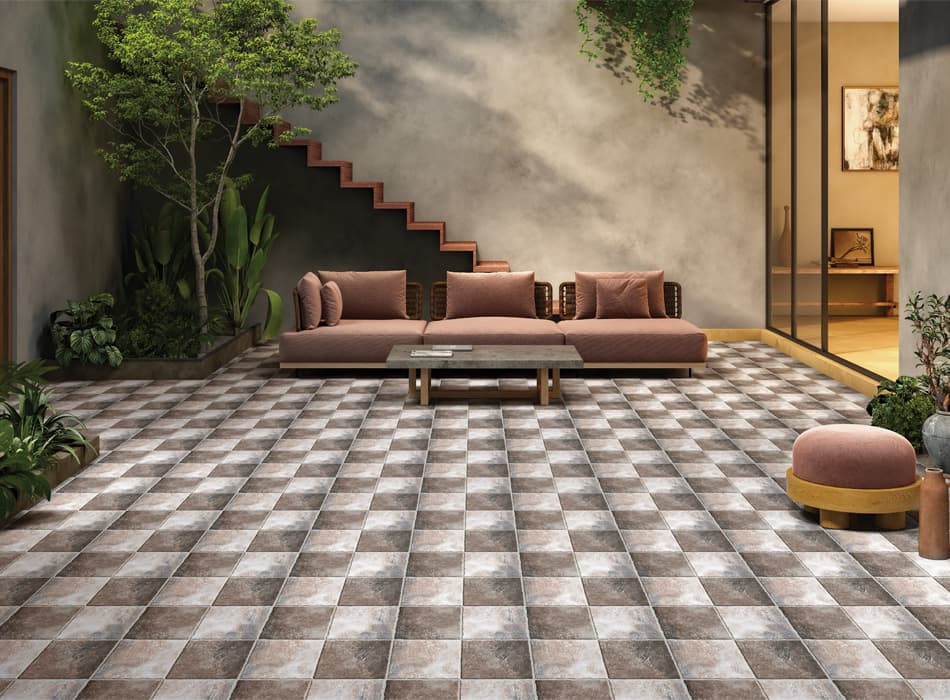
Bathrooms and kitchens are two of the most demanding spaces in any home. They face daily exposure to moisture, steam, spills, and heavy foot traffic, all of which make choosing the right floor and wall tile essential. For most homeowners, the choice of tiles typically narrows to ceramic tile vs porcelain tile. While both may seem similar, they are engineered differently, and that difference determines how well each one holds up in a bathroom or kitchen over the long term.
At Hindware Italian Tiles, our collection includes both ceramic and Greselain (porcelain) tiles. Whether you need a stylish wall finish or a durable floor tile, you will find the right option within a single, cohesive range.
Understanding Ceramic Tiles
Ceramic tiles are made from a mixture of natural clay, sand, and water that is shaped and fired in a kiln to harden and remove moisture. The surface is then coated with a glaze that gives the tile its colour, pattern, and a protective finish. They are relatively lighter and more porous, making them a practical choice for spaces that are not exposed to direct water pooling or heavy structural load.
The Hindware Italian Tiles ceramic range offers stylish, easy-to-maintain wall tiles for modern interiors. Available in 300×600mm and 300×450mm formats, the collection offers a wide range of colours, patterns, and finishes – from classic Glossy and Matt to textured Rustic and Rain Drop.
Understanding Greselain/Porcelain Tiles
Porcelain tiles, also known as Greselain tiles, are made from dense, fine clay baked at higher temperatures than ceramic tiles. This makes them denser, harder, and significantly more moisture-resistant tile than standard ceramic.
At Hindware Italian Tiles, the Greselain range is designed for spaces that need to perform as well as they look. Available in 400x400mm, 600×600mm, and 600×1200mm formats, it offers wood, marble, and stone-inspired designs that bring a premium aesthetic to bathroom and kitchen floors without the maintenance demands of natural materials.
Key Differences That Matter
Here are the key differences in ceramic and porcelain tiles across the criteria that matter most for bathrooms and kitchens:
Criteria | Ceramic Tiles | Greselain (Porcelain) Tiles |
Durability and Strength | Less dense and softer. Better suited for low-traffic areas and walls. | Highly durable with denser construction that easily handles heavy foot traffic, impact, and daily wear without degrading |
Water Absorption | More porous and are best suited for dry, indoor areas. | Low absorption rate, making them ideal for moisture-prone areas like bathrooms and outdoors. |
Design Range | Wide range of textures, colours, and patterns, ideal for decorative interiors. | Available in wood, marble, and solid designs across different colours and finishes. |
Maintenance | Easy to clean; grout lines in wet areas may need regular attention. | Very low maintenance; non-porous surface easily resists stains, bacteria, and moisture. |
Ease of Installation | Easier to cut, shape, and install | Requires special tools and professionals due to its hardness |
Cost | Generally, more affordable and accessible | More expensive upfront, but the cost is justified by longer lifespan and lower long-term maintenance. |
Best Use Cases in Bathrooms and Kitchens
Now that you understand the key differences between ceramic and porcelain tile, here are their use cases in bathrooms and kitchens:
Ceramic tiles are ideal for spaces where style is more important, along with moderate endurance to footfall. This makes them the best suited for:
● Walls and vertical applications
● Light-traffic floors, such as powder rooms and guest bathrooms
● Decorative details like backsplashes or accent walls
Porcelain tiles are ideal for spaces with high moisture, heavy foot traffic, or outdoor exposure. This makes them best suited for:
● Shower floors
● Main floors in kitchens, bathrooms, hallways, and entryways
● Outdoor patios or pool areas with added slip resistance
● High-traffic zones in residential or commercial projects
Design and Aesthetic Considerations
Both ceramic and Greselain tiles offer strong aesthetic options, but there are still some design considerations that one must keep in mind:
Finish Options: Both ceramic and porcelain tiles are available in a range of finishes, including matte, glossy, rustic, carving, and sugar. When choosing a finish, consider how the space is used. Glossy finishes reflect light and work well on bathroom and kitchen walls, making smaller spaces feel brighter and more open. Matt finishes are better suited for floors as they are less slippery underfoot and hide watermarks and footprints more effectively.
Colour Coordination Across Spaces: A practical approach for bathrooms and kitchens is to use ceramic tiles on walls and Greselain tiles on floors within a shared colour family. For instance, a light grey ceramic wall tile paired with a complementary grey Greselain floor tile in a matte finish creates a cohesive, modern look without making the space feel visually heavy.
Why Hindware Italian Tiles Makes Selection Easier
Hindware Italian Tiles offers ceramic and Greselain tiles within a single, unified portfolio, making it easier for you to source wall and floor tiles from one brand without compromising on quality or design consistency.
The ceramic range covers decorative wall applications across eight distinct finishes, while the Greselain range delivers durable, moisture-resistant solutions in standard and large formats. With over 580 active dealers and a presence in 300+ cities, finding and ordering the right tile for your bathroom or kitchen is straightforward. So, visit your nearest Hindware Italian Tiles store or explore the collection online to find the right ceramic or Greselain tile for your bathroom and kitchen.
As we conclude, it is clear that the difference between ceramic and porcelain tiles is not just technical, but also practical. Ceramic tiles bring design richness, ease of installation, and accessible pricing, while porcelain tiles bring density, moisture resistance, and long-term durability. For bathrooms and kitchens, the smartest approach is to use each tile where it performs best – ceramic on walls and backsplashes, and porcelain on floors and high-moisture surfaces.