Common Mistakes to Avoid When Applying Tile Adhesive
 17 Jul 2026
 Share
Share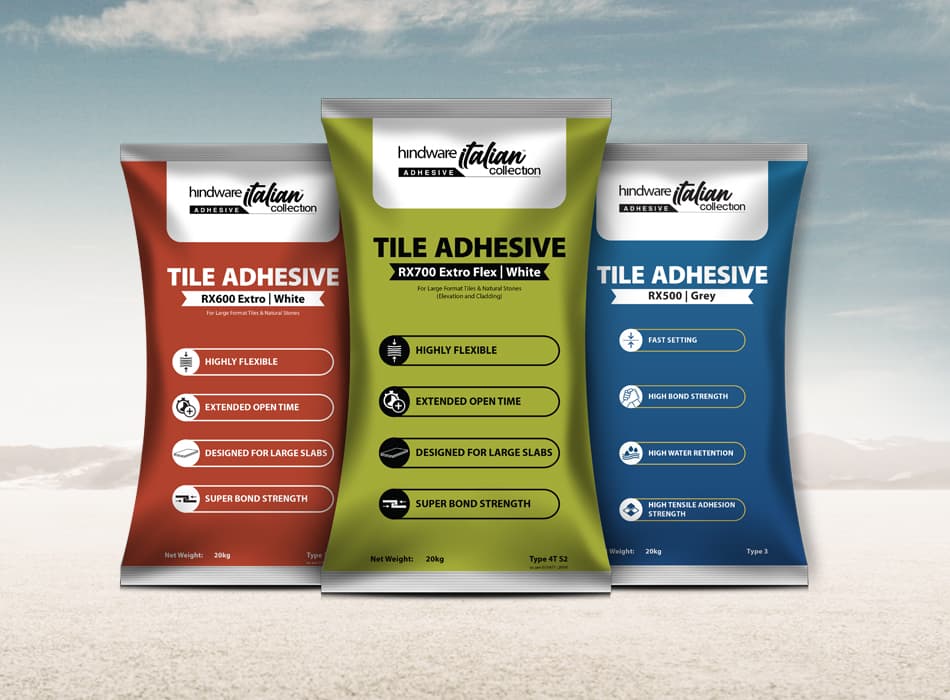
Choosing tiles often gets the most attention, but the surface rarely performs on design alone. The grip beneath the tile decides whether the floor stays even, the wall holds well, and the finish looks as premium as it did all those years ago. That is why the best tile adhesive is not just about strong bonding; it should suit the tile category, base surface, room condition, and the way the tile is laid.
For anyone trying to understand how to apply tile adhesive, the real work begins even before the tile touches the wall or floor. This includes surface preparation, adhesive coverage, curing time, and grout selection - all of it matters. When these steps are rushed while you apply the tile adhesive, even high-quality GVT, ceramic, or full body tiles may face cracks, hollow spots, or early loosening. Hindware Tiles Adhesives & Grouts help create that dependable base, so the design chosen for the space gets the support it needs below the surface.
What Are Tile Adhesives and Why Do They Matter?
Tile adhesives are specially formulated bonding materials used to fix tiles on floors, walls, countertops, and other surfaces. Unlike basic cement applications, modern adhesives are made to provide better grip, improved coverage, and stronger bonding between the tile and the base surface. Their role changes with the size, weight, finish, and usage area. Large-format GVT tiles need even support, ceramic tiles used on walls need better hold, and full body tiles need bonding that can support heavy-duty use. The right adhesive also helps the installer maintain level, alignment, and surface stability during installation.
Common Mistakes to Avoid When Applying Tile Adhesives
Choosing the Same Adhesive for Every Tile
One of the most common errors is assuming that one adhesive can work for every tile and every room. A small ceramic wall tile, a large-format GVT floor tile, and a full body tile used in a high-traffic area do not need the same level of bonding support. That’s because the best tile adhesive for one surface may not be suitable for another. The tile size, weight, surface finish, and application area should guide the choice, not only availability or price.
Applying Adhesive on an Unprepared Surface
A tile can only bond as well as the surface allows it to. Dust, loose cement, old paint, oil marks, moisture patches, or uneven plaster can weaken the adhesive layer before the tile is even fixed. Before you apply tile adhesive, the surface should be clean, level, firm, and suitable for tiling. Cracks, loose areas, and damp patches need attention first.
Spreading Adhesive Unevenly
Uneven adhesive application can quietly affect the final result. When installers apply tile adhesive in thick lumps in some areas and thin patches in others, the tile does not get full support. This may lead to hollow sounds, cracks, loose edges, or slight level differences between tiles. The adhesive should be spread with the right trowel and in a consistent layer.
Not Allowing Enough Curing Time
Tiles may look fixed within a few hours, but the adhesive layer still needs time to gain strength. Walking on the floor too soon, placing furniture early, cleaning aggressively, or grouting before the adhesive has cured properly can disturb the bond. Product instructions should be followed because curing time varies as per adhesive type, tile size, room condition, and application area.
Treating Grout as an Afterthought
Grout is often seen as the final cosmetic step, but it has a practical role in tiling. It fills the spaces between tiles, supports neat alignment, helps manage minor movement, and protects joints from dirt and moisture. Wrong grout colour, uneven gaps, grouting before curing, or poor cleaning of excess grout can affect appearance and performance.
Impact of Incorrect Adhesive Application
Tile May Loosen or Detach
This is common in areas exposed to moisture, cleaning, foot movement, or temperature changes. Once tiles shift, the surface can look uneven and may become difficult to maintain.
Cracks and Hollow Patches May Develop
Hollow patches are usually a sign that the tile does not have enough adhesive support underneath. Cracks can also appear when the adhesive bed is too thick, too thin, uneven, or disturbed before curing.
Long-term Maintenance Costs May Increase
What starts as one loose tile may later require grout repair, tile replacement, surface correction, or reinstallation in a larger area.
Best Practices for Different Categories by Hindware Italian Tiles
GVT Tiles
GVT Tiles are often chosen for their refined finishes, larger formats, and premium finishes. During installation, even adhesive coverage is important so the tile rests properly across the surface. For large-format GVT surfaces, the adhesive must be spread consistently, and the tile should be pressed carefully into place. This helps maintain alignment, surface level, and the finished look.
Ceramic Tiles
Ceramic tiles are commonly used for walls, kitchens, bathrooms, and decorative surfaces. Here, the adhesive must offer the right grip, especially when tiles are being fixed vertically. The surface should be clean and stable before application, and grout should be selected with the room conditions in mind.
Full Body Tiles
Full Body Tiles are preferred for areas that need stronger surface performance and better resistance to wear. Since these tiles are often used in high-traffic spaces, the bonding layer needs to be strong and evenly applied. For such applications, the tile adhesive should support heavy-duty use and regular movement. Proper curing is equally important, as the surface may face more load once it is in use.
Why Choose Hindware Adhesives & Grouts
Premium tile installation isn’t just limited to tile selection. The best tile adhesive should support both the tile design and the space where it is being installed, whether it is a decorative wall, a kitchen floor, a bathroom surface, or a high-use passage. Hindware Tile Adhesives & Grouts are designed to complement the brand’s tile portfolio, including GVT tiles, ceramic tiles, and full body tiles. They help create a stronger tiling foundation by reducing common concerns such as weak bonding, uneven setting, loose tiles, and cracked joints.
For homeowners, architects, interior designers, and dealers, the right tile adhesive supports a neater finish, better durability, and a more dependable surface over time. Tiles are selected at a Hindware Italian Tiles showroom, adhesive and grout should be planned with the same care as the tile design.